Custom patches have been used for decades to build brand identity — from military insignia to streetwear collabs. Today, they remain one of the most versatile tools for brands looking to add a tactile, premium touch to apparel, bags, and accessories. But with several manufacturing methods available, picking the right one can be confusing.
Here's a breakdown of the five main patch types we manufacture at Assar Patches, and when each one makes sense.
1. PVC Patches
PVC patches are made from soft, molded plastic and are known for being waterproof, flexible, and highly durable. They're a strong choice for outdoor gear, sportswear, and bags where the patch needs to survive weather and heavy use.
- Best for: outdoor brands, tactical gear, sports teams
- Strengths: waterproof, 3D texture, long-lasting
2. Embroidered Patches
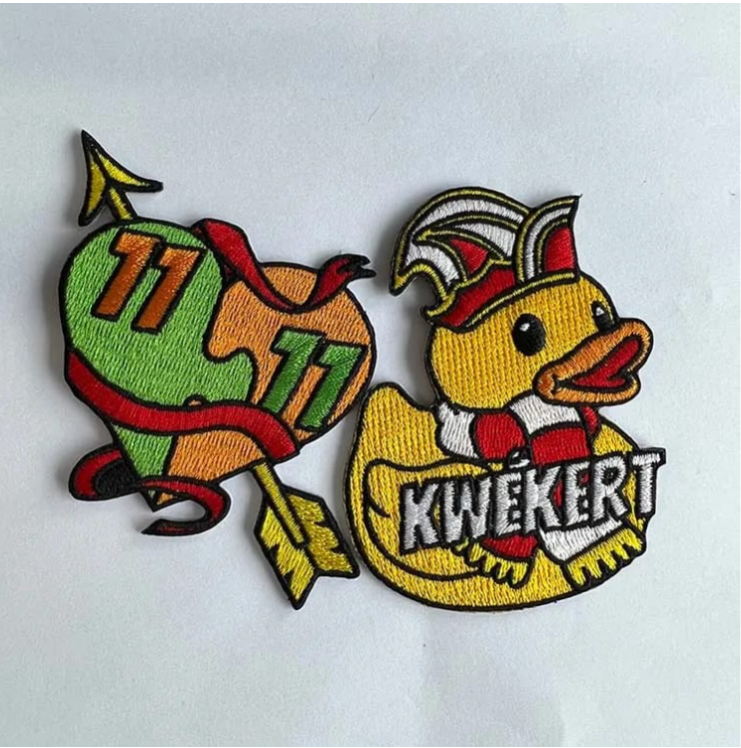
The classic choice. Embroidered patches use stitched thread to create texture and detail, giving a timeless, premium look. They work well for uniforms, badges, and traditional branding.
- Best for: uniforms, varsity jackets, badges, classic branding
- Strengths: rich texture, traditional appeal, strong stitching
3. Sublimation Patches
If your design has gradients, photo-realistic detail, or more colors than embroidery can handle, sublimation is the answer. The design is dyed directly into the fabric, allowing unlimited color combinations.
- Best for: colorful logos, gradients, detailed artwork
- Strengths: unlimited colors, smooth finish, fade-resistant
4. Woven Patches
Woven patches use a tighter thread weave than embroidery, which means they can reproduce small text and fine details far more sharply. They also have a flatter, more subtle finish.
- Best for: small logos, detailed typography, minimal branding
- Strengths: sharp detail, low-profile finish
5. Leather Patches
For a rustic, premium feel, leather patches (genuine or faux) are laser-engraved or debossed with your design. They're a favorite for caps, denim, and premium product lines.
- Best for: caps, denim, premium/luxury branding
- Strengths: upscale look, tactile feel, long-lasting
How to Choose
Ask yourself three questions: How many colors does your design have? Where will the patch be used? And what feel are you going for — rugged, classic, colorful, minimal, or premium? Your answers will usually point you straight to the right patch type.
Still not sure? Get in touch and we'll help you pick the right option and get a sample made.